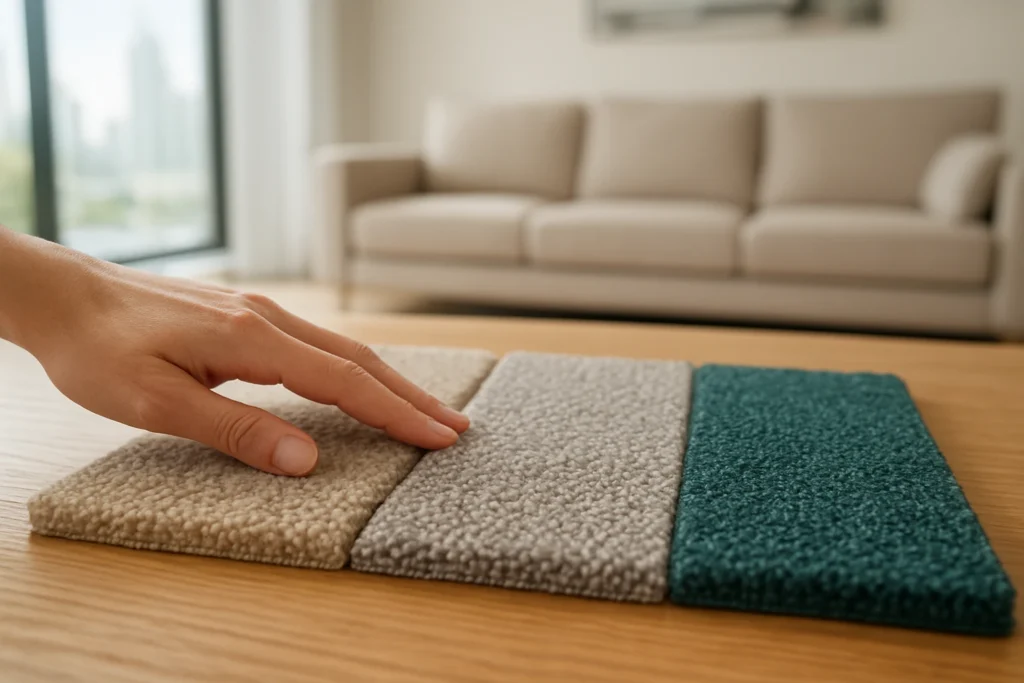
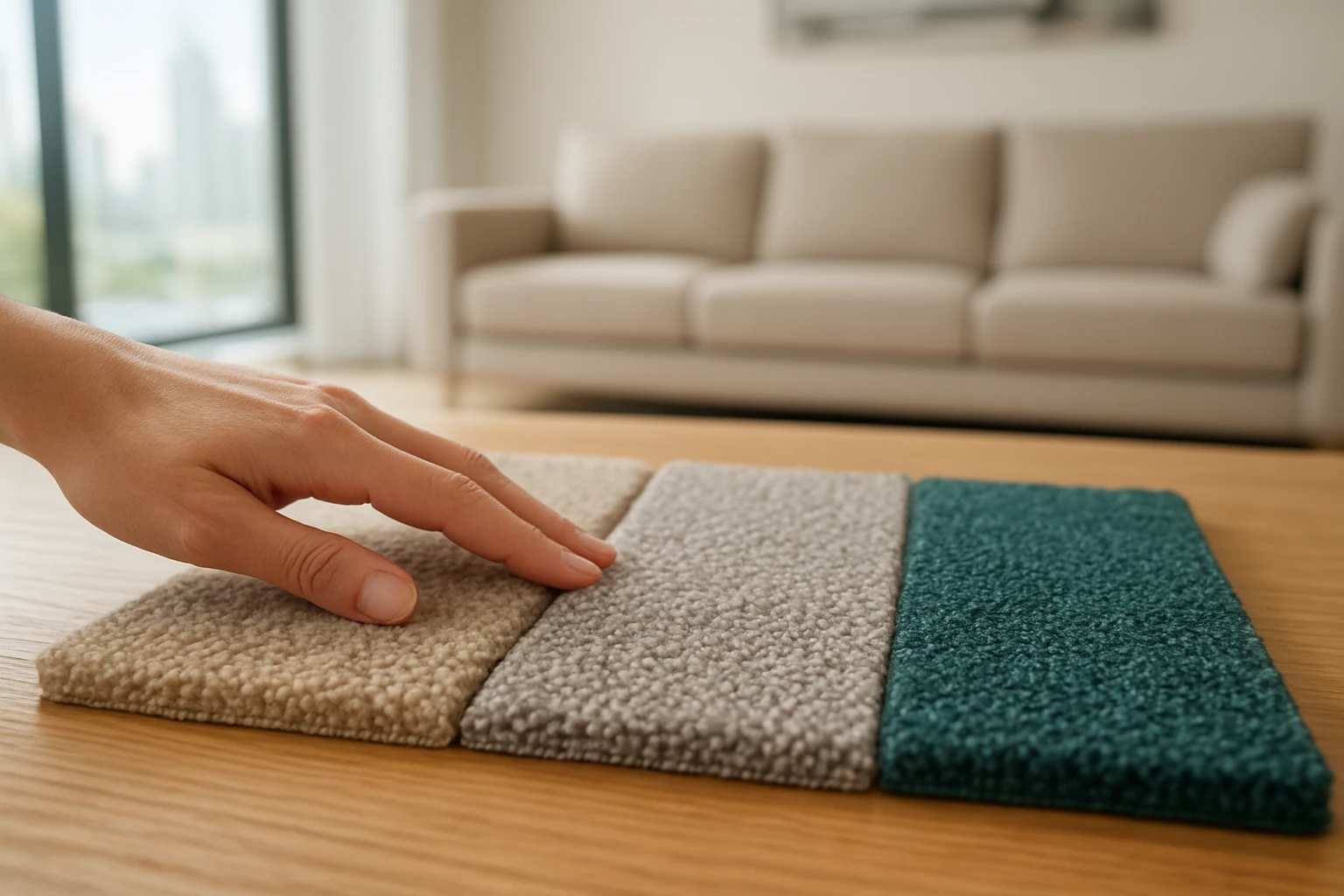
Wool, nylon and polyester each have clear strengths: wool feels warm and lasts long but costs more and needs careful cleaning, nylon is the most durable for heavy traffic and recovers well but can cost more than polyester, and polyester gives bright color and good stain resistance on a budget though it wears faster in high-traffic areas. As the team at Dubai Carpet Hub explains, choosing the right fiber depends on room use, pets and your cleaning habits.
Quick Comparison of the Three Fibers
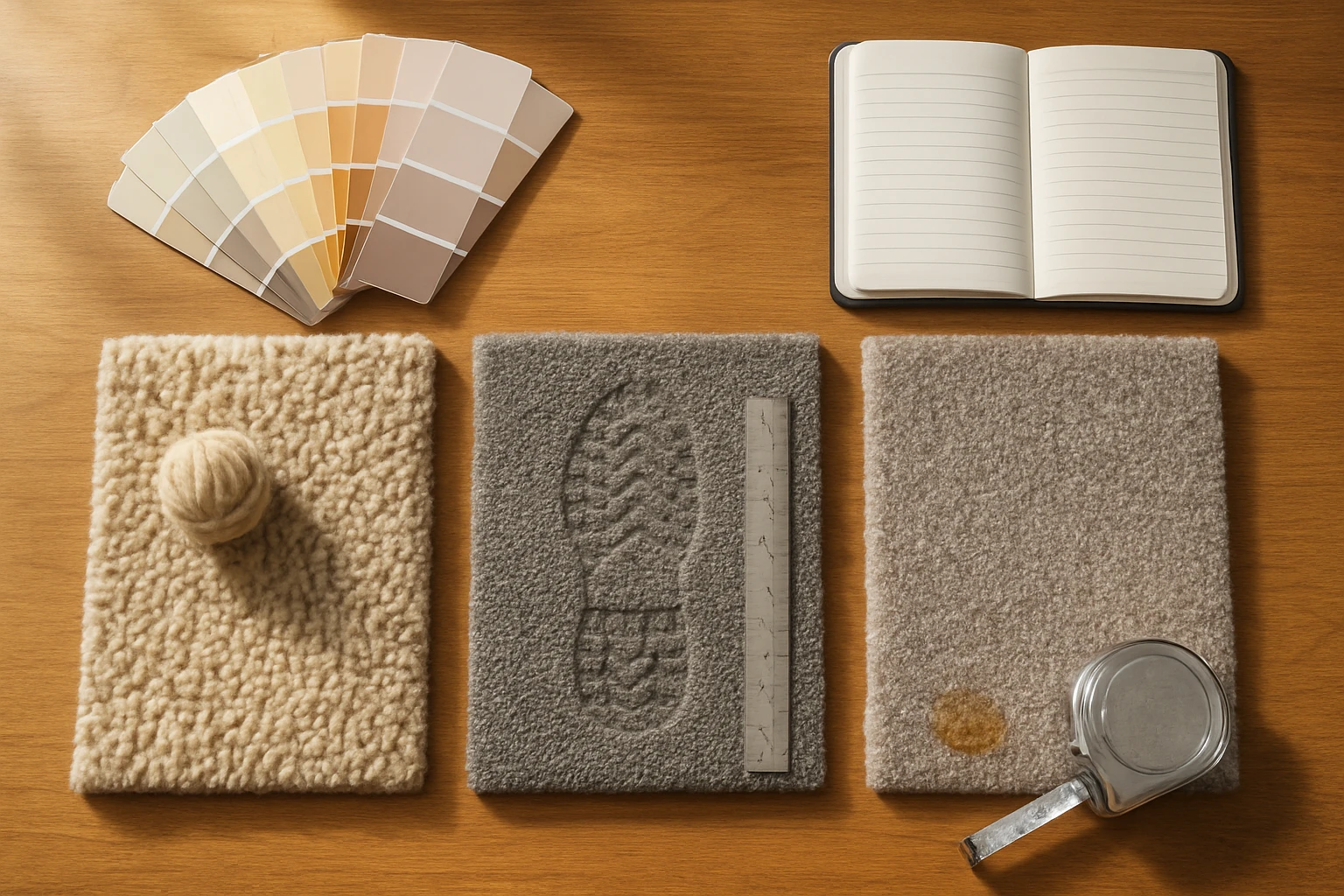
Start by matching each fiber to how you plan to use the room. Living rooms, stairs and offices need durability, bedrooms can favor comfort and warmth, and homes with kids or pets need good stain performance. The short table below sets expectations before we go deeper.
| Feature | Wool | Nylon | Polyester |
|---|---|---|---|
| Typical Feel | Soft, warm | Resilient, springy | Soft, slightly slick |
| Durability | High (best with care) | Very high | Moderate |
| Stain Resistance | Natural but needs treatment | Good with protectors | Very good for oily stains |
| Price Range | Higher | Mid to high | Lower |
| Best Use | Bedrooms, living rooms, luxury spaces | High-traffic areas, stairs, offices | Casual rooms, low-traffic living spaces |
Wool Carpet Explained
Wool is a natural fiber from sheep. People have used it for carpets for a long time because it looks and feels rich, hides dirt well, and lasts when cared for.
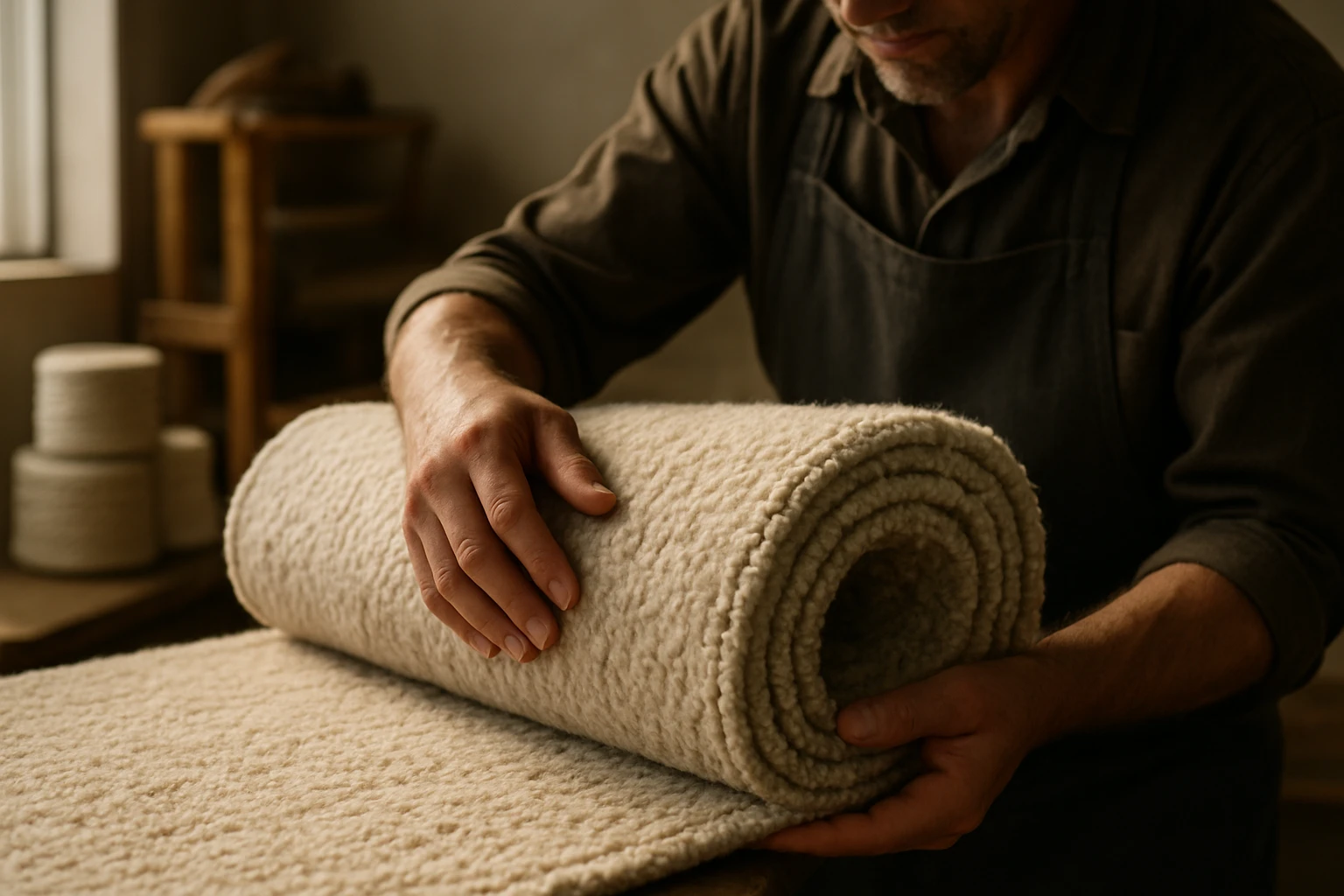
Wool brings warmth and a premium look. Natural oils help keep it cleaner and reduce static, and wool holds color depth nicely. Many people pick wool when they want a long-lasting, comfortable floor and are ready to spend a bit more on the product and its care.
What to Expect from Wool
Pros:
- Natural, soft feel and warm underfoot.
- Good resilience against crushing when the pile is dense and tightly constructed.
- Handles natural dyes well for deep, muted colors.
Cons:
- Higher purchase price and higher cleaning cost.
- Can felt or shrink if exposed to harsh cleaning or heat.
- Susceptible to moths if not treated or stored properly.
Wool Care and Cleaning
Wool needs gentle care. Vacuum regularly on a suction-only setting for delicate piles, and blot spills right away. For deep stains, use cleaners made for wool or hire a pro who understands the fiber. Avoid hot water and strong alkaline cleaners because they can damage the fibers.
Nylon Carpet Explained
Nylon is a synthetic fiber known for strength and bounce. It is common where traffic and wear are top concerns.
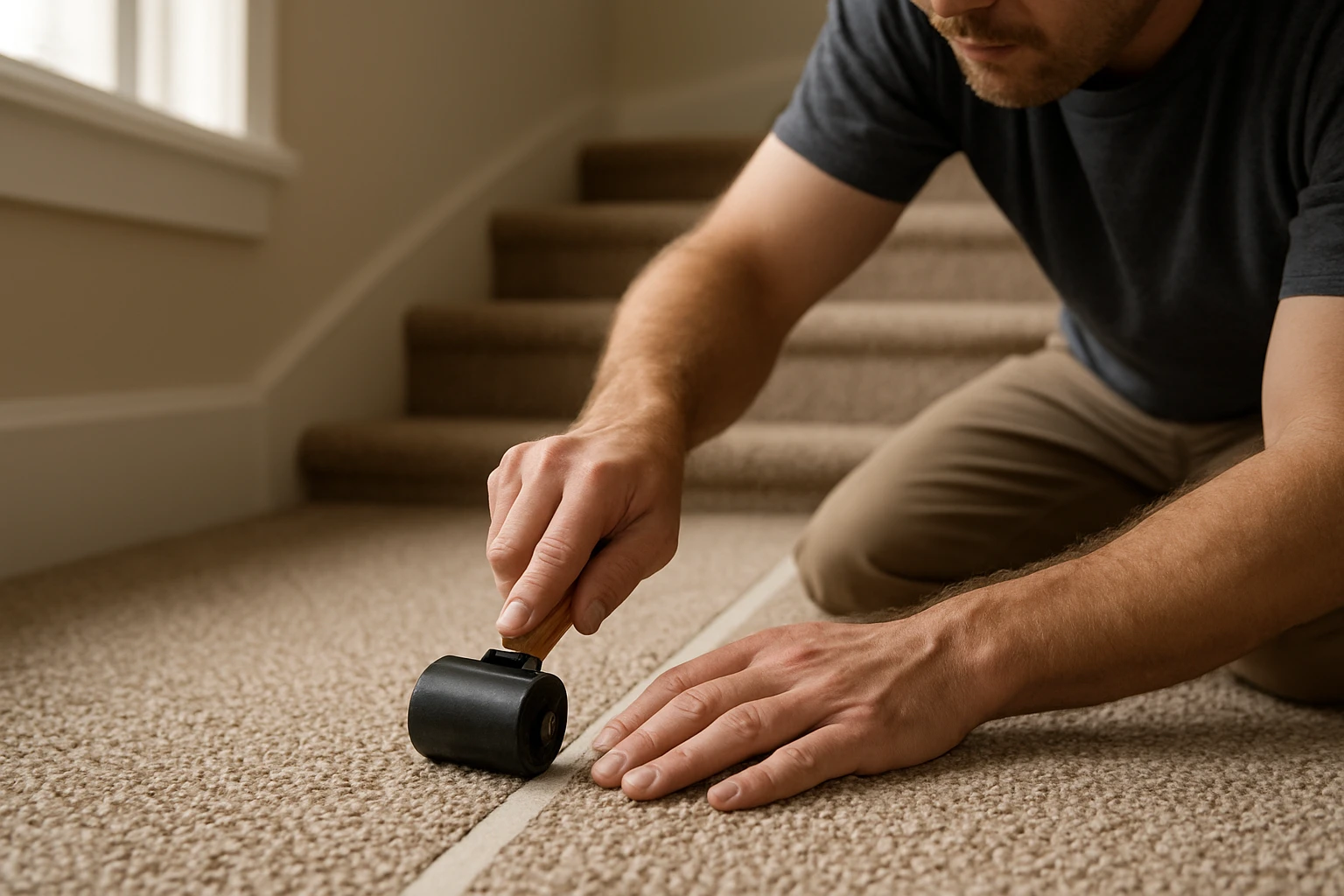
Nylon recovers well from foot traffic and resists abrasion. Many commercial and residential carpets use nylon because it balances long life and moderate cost. In homes with pets or active families, nylon is often a sensible choice.
What to Expect from Nylon
Pros:
- Excellent durability and recovery from crushing.
- Good stain protection when treated with modern finishes.
- Wide range of textures and styles.
Cons:
- Can show oil-based stains more than polyester when untreated.
- Quality varies widely; low-cost nylon wears faster than premium nylon.
Nylon Maintenance
Vacuum often in busy areas and use a protective finish if the product is not pre-treated. For tough stains, use cleaners labeled safe for nylon and test on a hidden spot first.
Polyester Carpet Explained
Polyester is a soft synthetic fiber that gives vivid color and good resistance to many common stains. It usually costs less than wool or nylon.
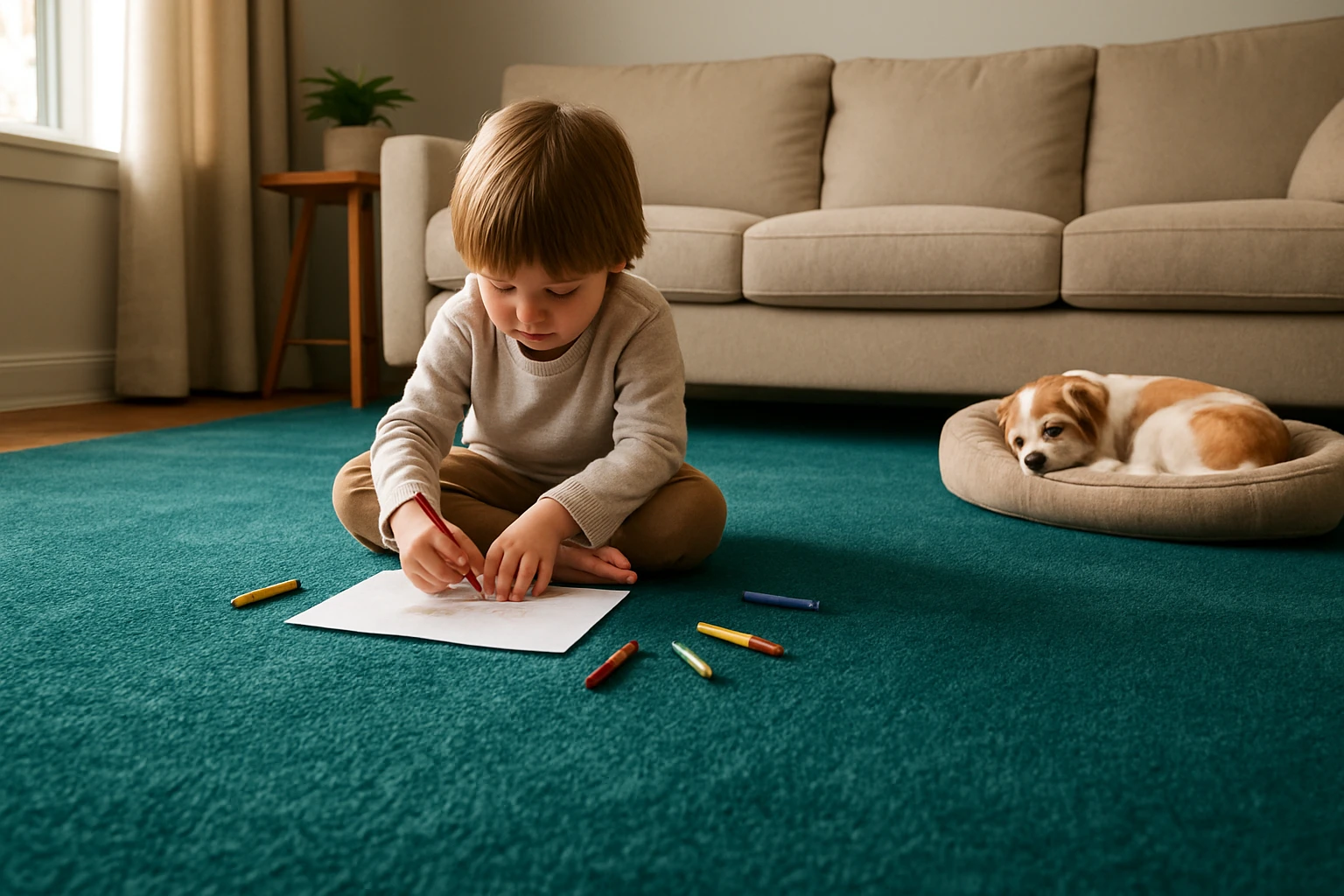
Polyester resists water-based stains and keeps color bright, which makes it a good pick for bold shades and patterned carpets. It feels soft but wears faster in high-traffic areas compared with nylon.
What to Expect from Polyester
Pros:
- Strong resistance to water-based stains and bright color retention.
- Lower price point for similar looks.
- Allergy friendly since it does not trap dust as tightly.
Cons:
- Less resilient to crushing in high-traffic zones.
- Some polyester types can show oil stains more quickly unless treated.
Durability and Traffic Patterns
Pick fiber based on the room’s traffic. Hallways, stairs and offices need resilience and recovery. Guest rooms and bedrooms can focus more on comfort and look.
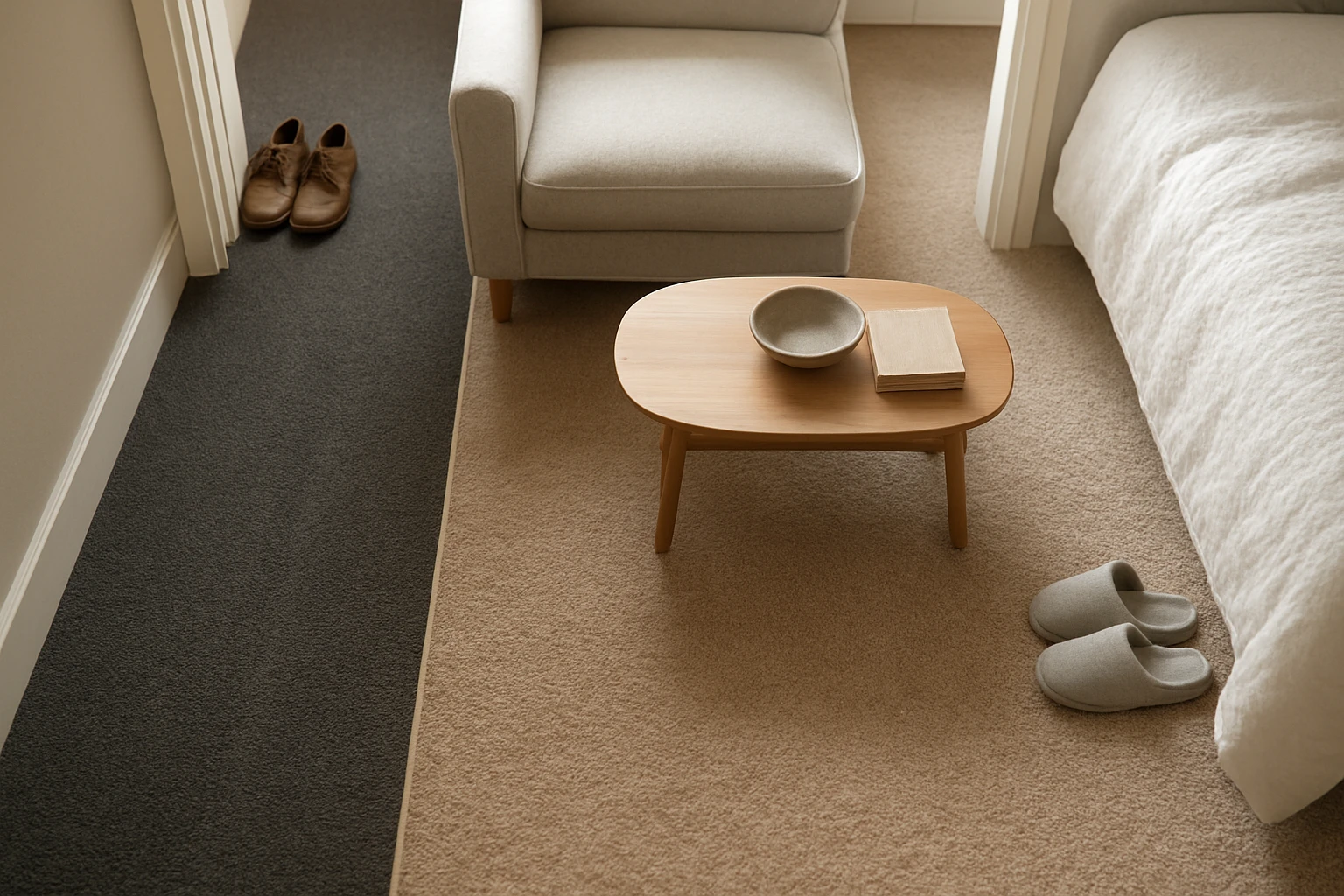
Table below shows typical lifespans and best room matches under normal residential use.
| Fiber | Typical Residential Lifespan | Best Rooms |
|---|---|---|
| Wool | 10 to 30 years with proper care | Bedrooms, formal living rooms |
| Nylon | 8 to 20 years depending on quality | Stairs, family rooms, offices |
| Polyester | 5 to 15 years | Low-traffic living spaces, bedrooms |
Stain Resistance and Cleaning Tips
Stain performance changes with the fiber and the kind of stain. Polyester handles many water-based spills well, wool resists soil but needs careful cleaners, and nylon holds up when protected.
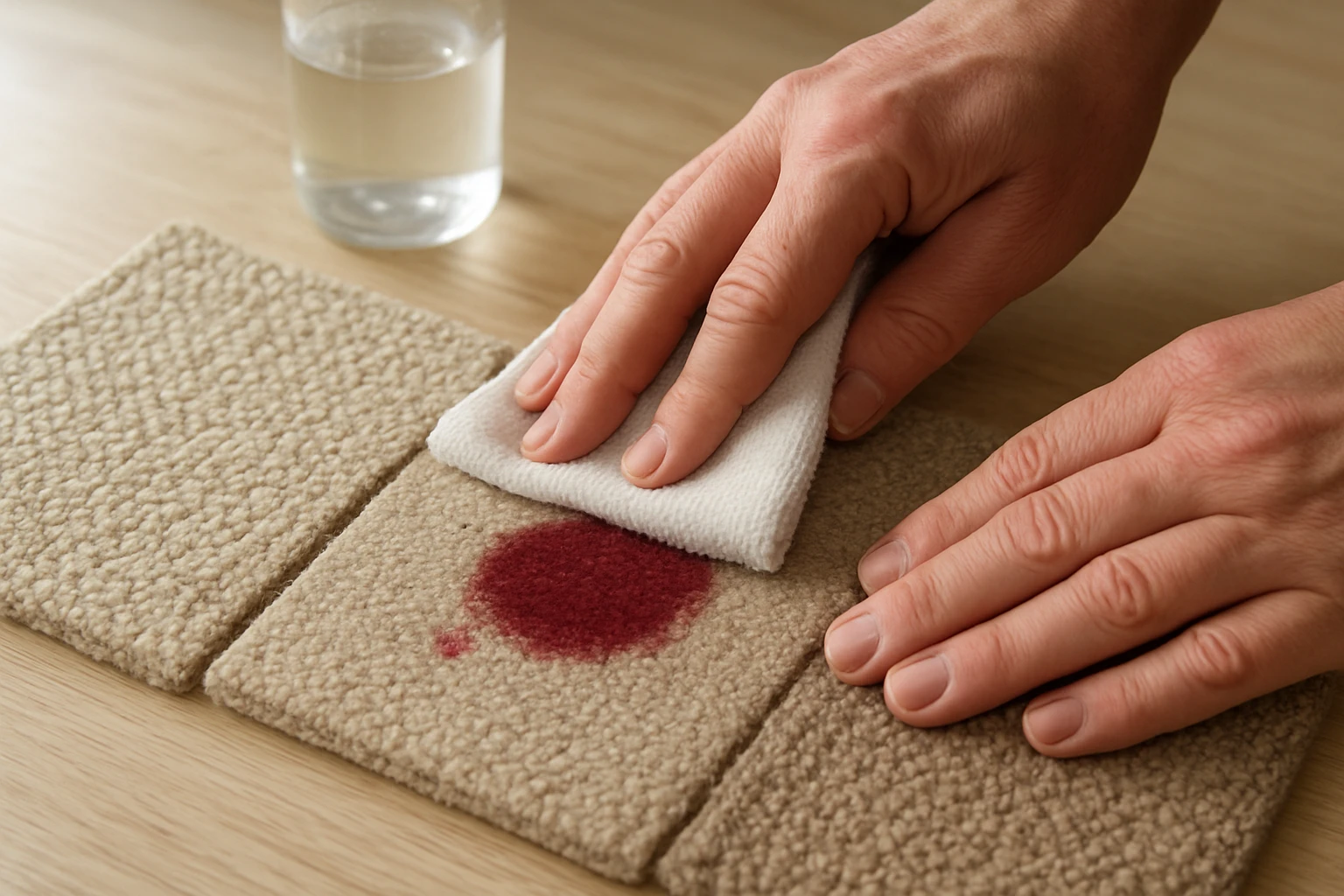
Cleaning Steps for Common Spills
Immediate Steps:
- Blot liquid with a clean cloth, absorbing without rubbing.
- Work from the spill edge toward the center to avoid spreading.
Dry Stains and Grease:
- For dry solids, lift gently with a spoon or brush first.
- Greasy stains often need a solvent-based or specialty cleaner; test first.
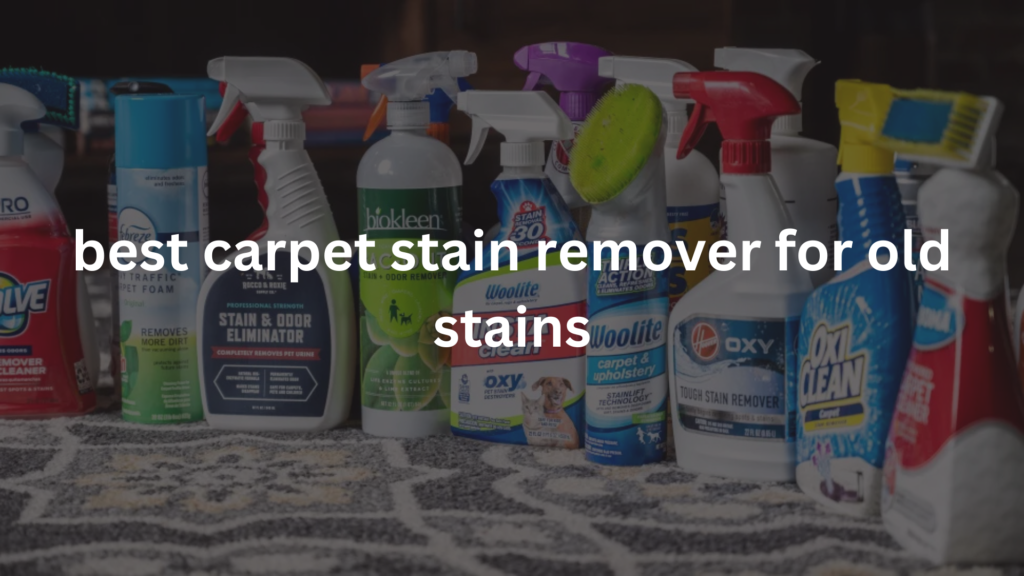
For more on removing old or stubborn stains see this practical guide to the Best Carpet Stain Remover for Old Stains.
Cost and Value
Price depends on fiber, pile construction, brand and backing. Wool sits at the higher end because of material cost and processing, nylon varies by quality, and polyester tends to cost less.

If you want a precise cost for Dubai, see the local breakdown at Carpet Price Per Square Meter in Dubai, Costs and Buying Tips. A good approach is to set your budget, pick the fiber performance you need, then get quotes that include installation and underlay.
Underlay and Installation
A quality underlay extends a carpet’s life and improves comfort. For recommendations on suitable underlays and how they change feel and durability, check Carpet underlay.
Environmental Impact and Sustainability
Wool is renewable and biodegradable, but its production and transport have an environmental cost. Nylon and polyester come from petrochemicals; some recycled options exist, but their availability varies by location. If sustainability matters, ask about recycled content and the carpet’s full life cycle.
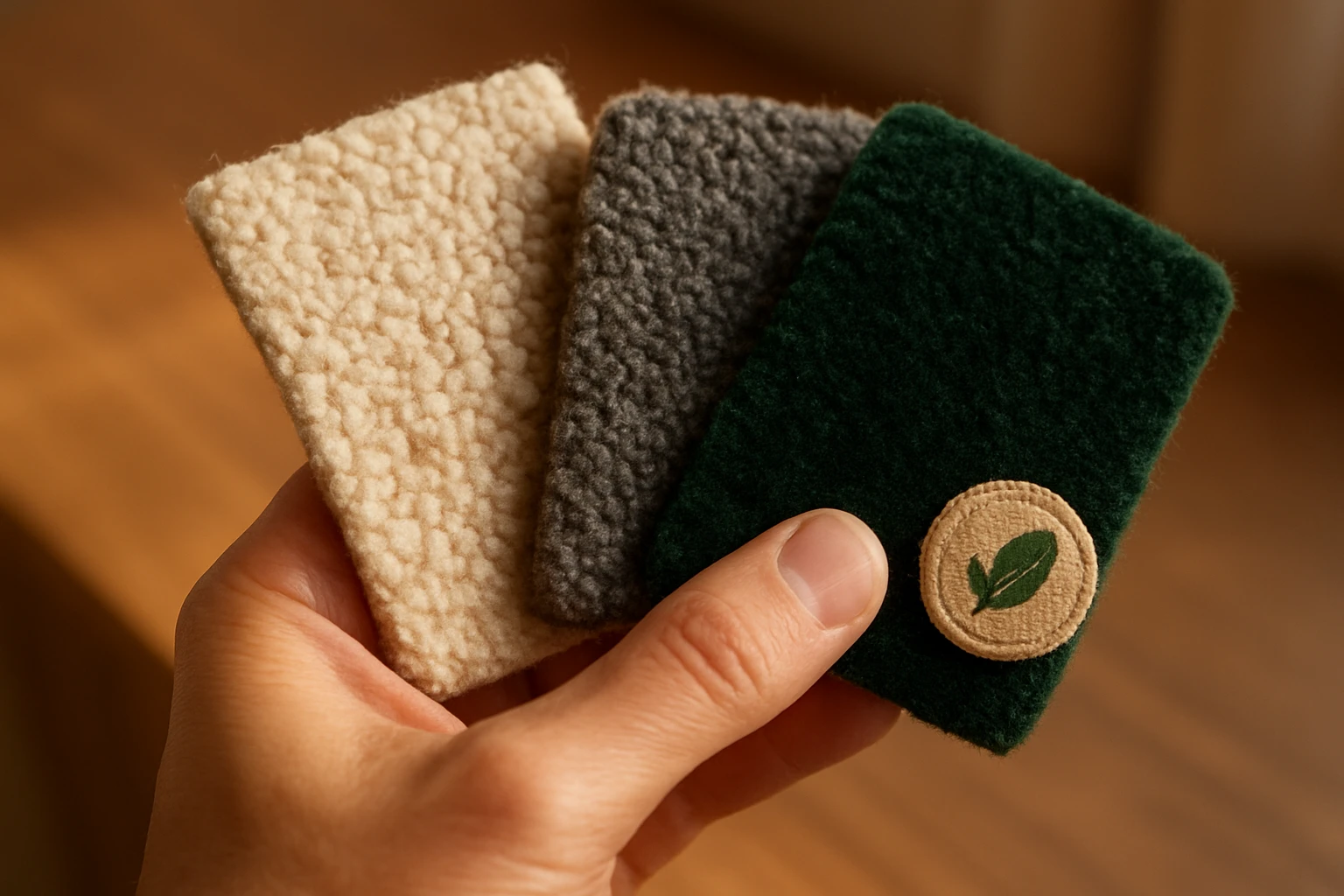
Best Uses by Room
Match the fiber to how you use the room and how much cleaning you want to do.
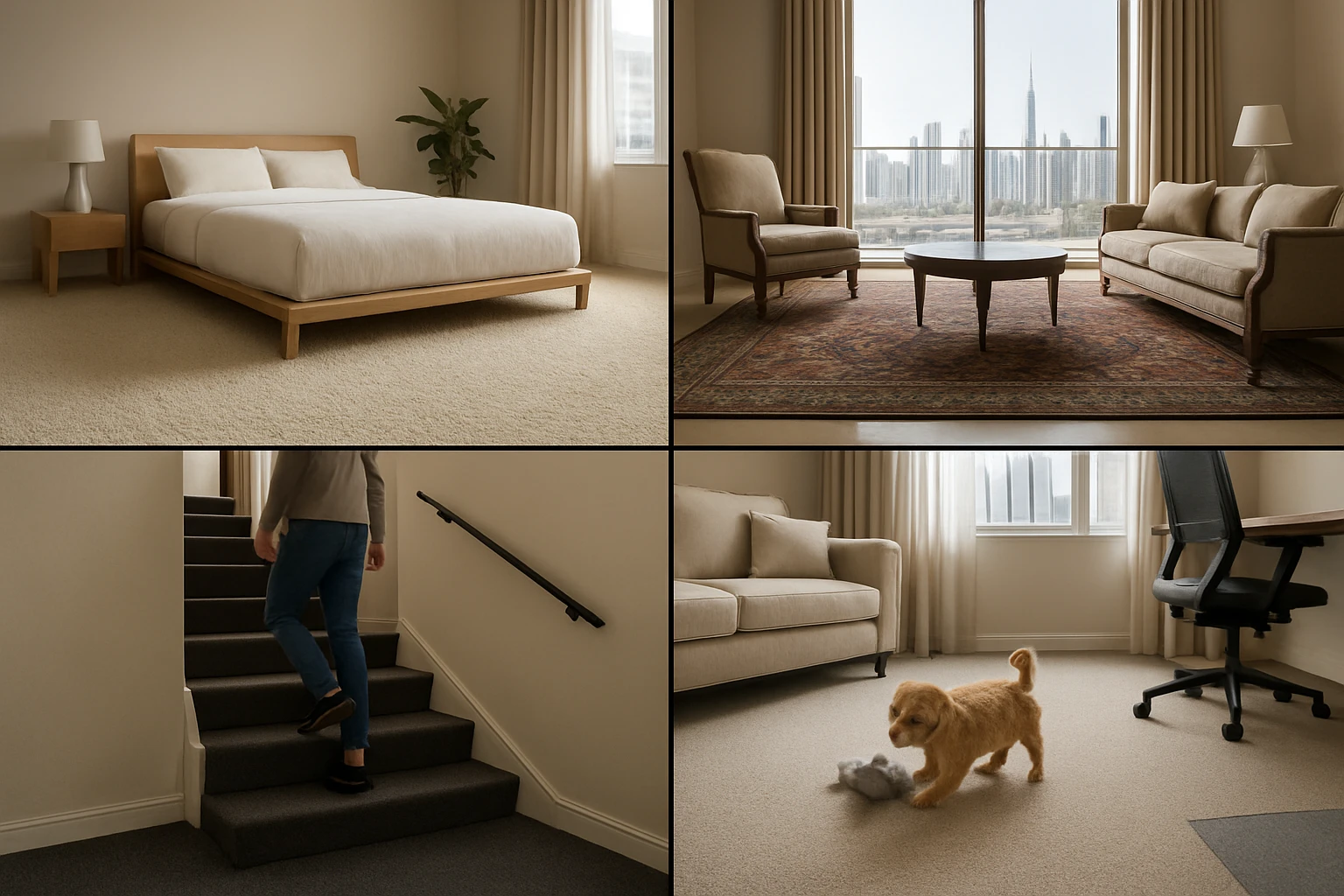
- Bedroom or formal living room: wool for feel and longevity.
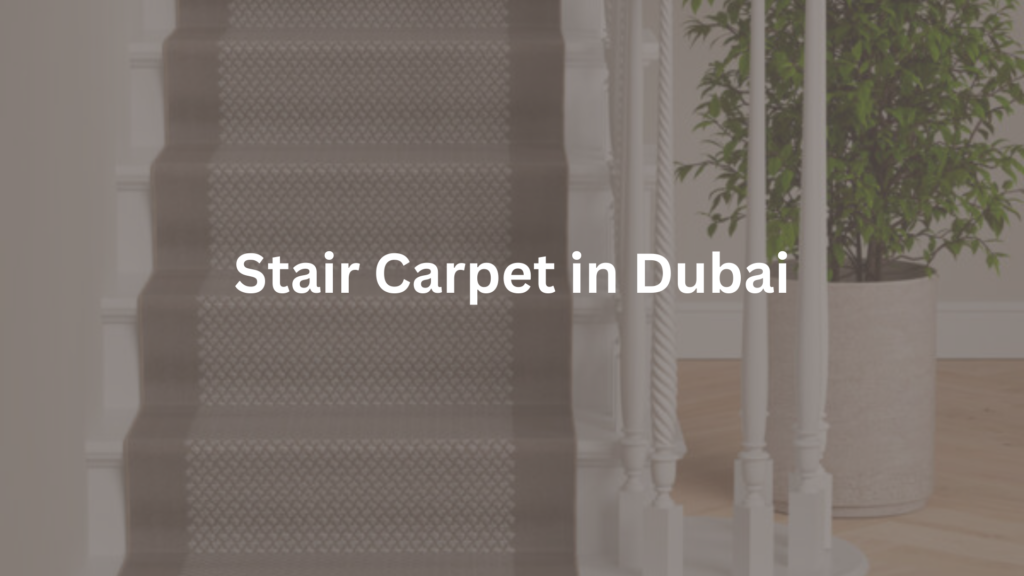
- Stairs and entryways: high-quality nylon for bounce and wear resistance. See options at Stair Carpet.
- Family room with pets: pet-friendly nylon or treated polyester to balance cost and stain performance.
- Offices and commercial areas: durable nylon or carpet tiles from Carpet Tiles.
For design-focused living areas explore choices at Living Room Carpet and for commercial fit-outs check Office Carpet.
Quick Decision Guide
Use this short checklist to pick a fiber:
- Prioritize warmth and long life: consider wool.
- Need heavy traffic resistance: choose quality nylon.
- Want strong color or lower cost: polyester can work.
- Live with pets or kids: look for stain-resistant treatments and durable pile styles.
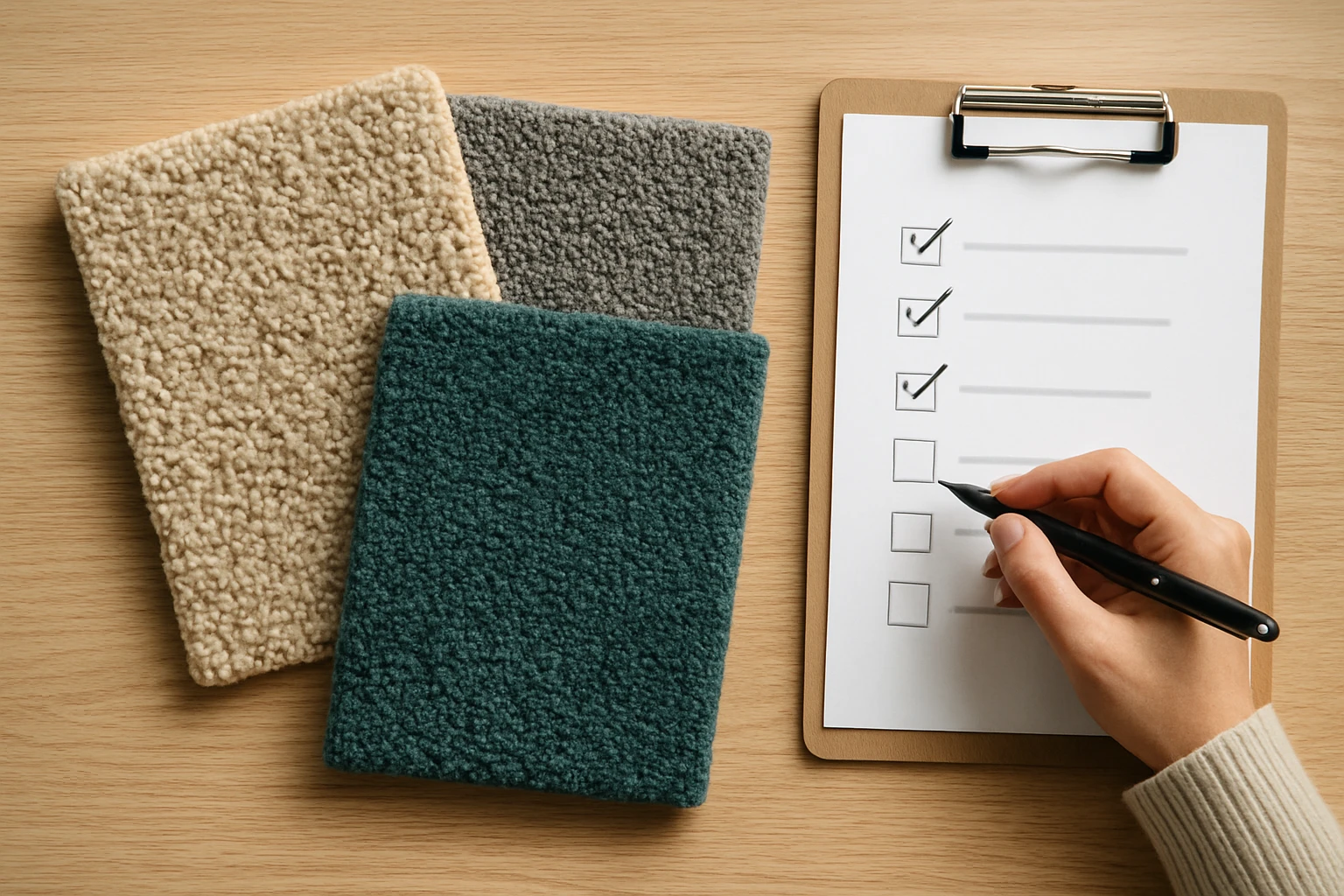
Maintenance Checklist You Can Use
- Vacuum high-traffic areas twice a week and other rooms once a week.
- Blot spills immediately and treat with the right cleaner.
- Rotate furniture occasionally to prevent uneven wear.
- Schedule deep cleaning by a professional every 12 to 36 months depending on use.
Final Thoughts on Choosing Between Wool, Nylon and Polyester
All three fibers can be the right choice when they match your priorities. Wool wins for luxury and long life if you will invest in care, nylon wins for heavy wear and recovery, and polyester wins for bright color and budget. Think about the room, your cleaning routine and whether resale value or environmental concerns matter most, then choose the fiber that fits those needs.
For sizing help and to get an accurate material requirement, read How to Calculate Carpet Area: A Complete Step-by-Step Guide. When you are ready to shop, the team at Dubai Carpet Hub can advise on samples, installation and matching underlay.
Frequently Asked Questions
Is Wool Carpet Worth the Extra Cost?
Wool costs more up front but it often lasts longer and feels warmer underfoot. It is worth the price if you value longevity, natural materials and a premium look and are willing to use wool-safe cleaning methods.
Which Carpet Fiber Is Best for Homes with Pets?
Nylon is often best for homes with pets because it resists wear and recovers from crushing. Choose a product with a stain-resistant finish and pair it with regular vacuuming to keep it looking good.
Can Polyester Carpets Handle Heavy Foot Traffic?
Polyester is soft and holds color well but it is less resilient under heavy, constant traffic. In busy zones like hallways or stairs, nylon or a high-quality wool blend is usually a better choice.
How Do I Remove Oil Stains from Carpet?
Oil stains often need a solvent-based or specialized carpet cleaner. Blot excess oil first, avoid rubbing, then apply a cleaner designed for oily stains and rinse carefully. Test any cleaner on a hidden spot before using it on the stain.
Should I Use a Carpet Underlay with Synthetic Carpets?
Yes. A good underlay improves comfort, reduces wear and can extend the life of any carpet, synthetic or natural. Look for recommendations specific to the carpet style and room use.